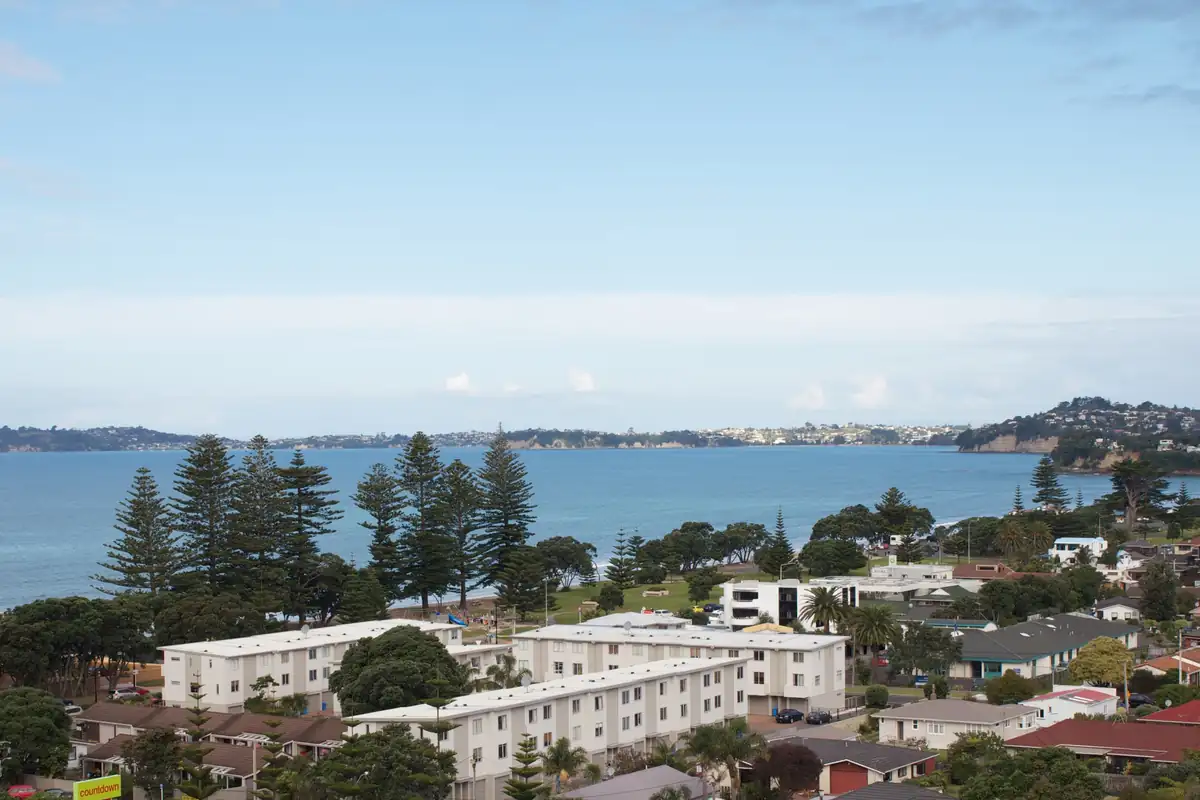

Straight answerThe Hibiscus Coast runs from Waiwera and Orewa down to the Whangaparaoa Peninsula and Silverdale. It is paper wasp country: the Asian paper wasp was first recorded in New Zealand in 1979 on the Whangaparaoa Peninsula and in Kohimarama. Today combs in hedges, flax and eaves are the most common wasp call here, with German wasp nests in banks and older homes.
Where the Asian paper wasp started
Published records, summarised from New Zealand zoology journals, put the first Asian paper wasp finds at Whangaparaoa and Kohimarama in 1979, with spread across Auckland from the mid-1980s and through the upper North Island by about 1995. Coastal scrub, flax and sunny eaves on the peninsula still suit them. Landcare says they can pass 200 nests a hectare in open country. Paper wasps up close.
Baches, then a boom
Holiday baches came first, in the 1920s, and suburban subdivision began in the 1950s. Orewa and western Whangaparaoa urbanised quickly from 1964 to 1975, the eastern peninsula filled in from the late 1980s, and Silverdale and Millwater have grown fast since the motorway arrived in 1999. That gives a mix of old bach-style homes with plenty of gaps and brand-new houses with very few.
- Older bach-era and 1970s homes: roof and wall gaps for German wasps
- New Silverdale and Millwater streets: paper wasps in young hedges and eaves
- Peninsula cliff tops and reserves: ground nests and combs in flax
- Shakespear Regional Park edges: bush and grassland nests
Coastal reserves and estuaries
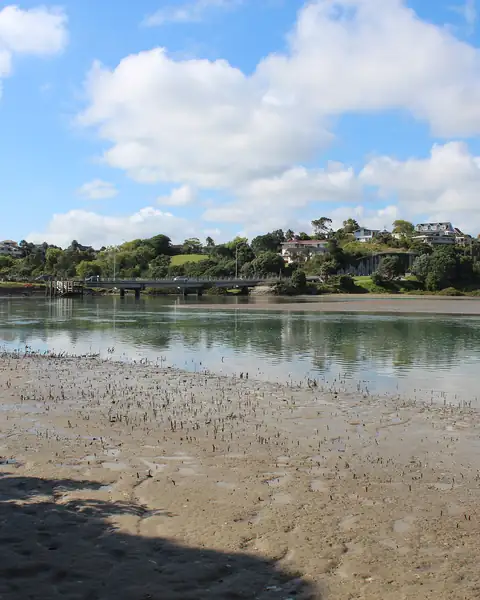
Six rivers and estuaries cut the coast, including the Orewa and Weiti, and reserves line many of them. Shakespear Regional Park at the end of the peninsula dates from 1967. Estuary banks and reserve edges have the dry, sunny soil German wasps nest in. Nests on reserve land go to Auckland Council on 09 301 0101.

- First recordsAsian paper wasp, 1979
- TownsOrewa, Whangaparaoa, Silverdale
- GrowthFast since 1999
- ParksShakespear, Wenderholm nearby
Holiday homes and empty sections
Plenty of Hibiscus Coast houses are holiday homes or rentals that sit empty for weeks. A nest started in spring can grow all summer without anyone noticing, then greet the owners at Easter. If you own a bach or a rental here, ask a neighbour or the property manager to check the eaves, shed and lawn edges in December, when a nest is still a manageable size.
Silverdale and Millwater
Silverdale has spread rapidly since the motorway reached it in 1999, with Millwater and Milldale built on former farmland. Young hedges, timber fences, new decks and bare clay banks are the norm. Paper wasp combs on fence rails and under decks are the usual call, plus ground nests where landscaping has left loose soil. Body corporates in the newer complexes handle common areas.
Travel to the coast
The Hibiscus Coast is a drive north of the North Shore, and a pest controller plans visits around that. Most quotes here fall in the normal published range of about $120 to $350 per nest; some add travel for the far end of the peninsula or Waiwera. It all shows in the written quote first. Cost guide.
Booking on the Hibiscus Coast
Say which town, where the nest is and whether it is an open comb or a covered nest with a hole. Several combs on one section are normally done on one visit. Tenants in the newer estates: tell your property manager first. Request a quote.
Every other suburb is covered as well. Go back to the Waspari front page for prices, timing and the booking steps.
Questions people ask
Is it true Asian paper wasps arrived on the Whangaparaoa Peninsula?
Published records give 1979 finds at Whangaparaoa and Kohimarama as the first in New Zealand. The species then spread across Auckland and the upper North Island.
Do you cover Waiwera, Stillwater and Army Bay?
Yes. The whole Hibiscus Coast is covered. The far ends may carry a travel charge, which is shown in the written quote.
Sources we checked
- Hibiscus Coast (Wikipedia)
- Polistes chinensis (Wikipedia)
- Asian paper wasp (Manaaki Whenua Landcare Research)
- Asian paper wasp (Hawke's Bay Regional Council)
- How to control pest animals (Auckland Council)
Last reviewed 2026-11-05.