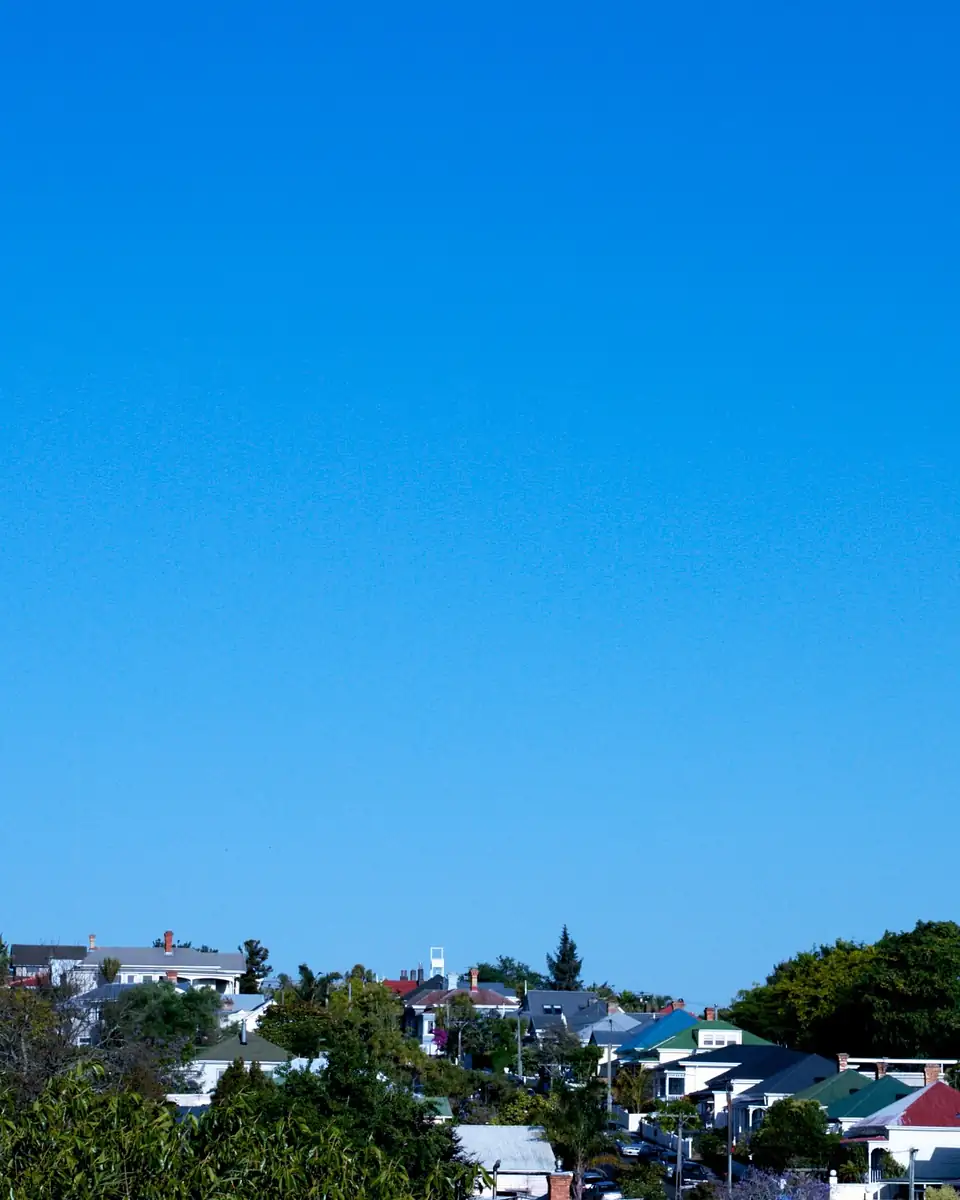

Straight answerPonsonby and its neighbours are villa country: timber houses from the late 1800s and early 1900s, packed close on a ridge west of the city. German wasps here nest in roof spaces, behind weatherboards and under floors, and paper wasps hang combs in clipped hedges and climbing plants. Tight sections, shared walls and heritage rules all affect how a nest is reached.
Villas and their gaps
Ponsonby was first subdivided around 1845, renamed in 1873, and filled with timber houses as horse trams and then electric trams arrived. Many villas and bungalows from that era remain. Over a century, weatherboards shrink, scribers split, soffit boards loosen and lean-to additions leave gaps. German wasps find those gaps fast. A steady line of wasps into one spot on the wall usually means a wall cavity nest.
Roof spaces and ceilings
Villa roof spaces are large, dry and warm, with sarking, ceiling battens and old insulation for a nest to grow on. A roof nest can sit well away from where the wasps enter. If you hear a hum in the ceiling or find wasps at light fittings, keep the room shut and don't go into the roof space. The pest controller treats the entrance and, if needed, the nest from inside. Roof nests.

- Gaps at the soffit and where verandah roofs meet the house
- Split scribers and shrunken weatherboards on old walls
- Subfloor vents and gaps in base boards
- Hedges, creepers and climbing roses: paper wasp combs
Tight sections and neighbours
Houses here are close, often with a narrow side path and a shared fence. A nest on the side wall may be easiest to reach from next door. Talk to your neighbour before the visit if access is needed, and let them know when the nest is being treated so they can keep their kids and pets inside too.
- HousingVictorian and Edwardian timber
- SettingRidge west of the city
- Common nestsRoof voids, wall cavities
- HeritageListed buildings and areas
Heritage houses
Many buildings in Ponsonby are heritage-listed by Heritage New Zealand or Auckland Council, and Renall Street is a registered historic area. Treating a wasp nest doesn't change a building, but repairs afterwards, such as replacing boards or sealing gaps on a listed house, may need care. Check with the council before changing anything on a protected building.
Cafes, restaurants and courtyards
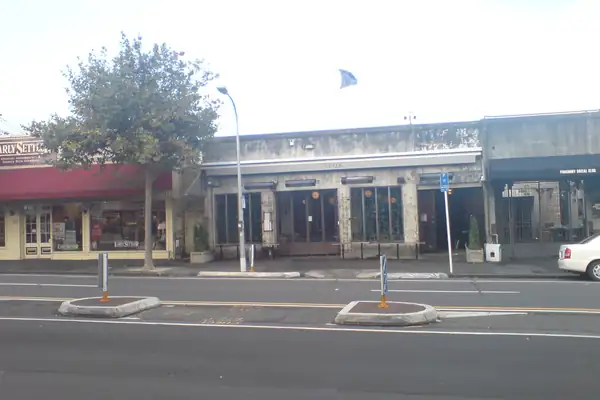
Ponsonby Road and the streets off it are lined with cafes, bars and restaurants, many with courtyards and footpath seating. From February, wasps come for sugar and protein at outdoor tables. A business with steady wasp traffic usually has a nest within a short flight: in a courtyard hedge, a wall gap or a neighbour's roof. Commercial visits can be booked before opening.
Renovations and opened walls
Villa renovations are constant here. Builders and owners often find old nests, or live ones, when they open a wall, lift floorboards or strip a ceiling. If wasps come out, stop, close up what you can and keep people back. Old dry nests can be bagged and removed; a live one needs treating before work carries on.
What it costs here
Most single nests land in the published Auckland range of about $120 to $350. Villa roof voids and wall cavities, especially on two-storey houses or with tricky access down a side path, tend to sit at the top, often $200 to $350. Hedge combs are cheaper. A guide only: your written quote is the price. Cost guide.
Booking a visit
Tell us the street, where the wasps go in, the storey and whether access is through the house or a side path. Parking is tight on many streets, so say if there is off-street parking. A pest controller comes to you and quotes first. Request a quote.
Every other suburb is covered as well. Go back to Auckland wasp nest removal for prices, timing and the booking steps.
Questions people ask
Can a wasp nest damage a villa?
A large nest can stain or soften ceiling lining, and wasps chew soft timber for paper. Treating the nest early and sealing the gap afterwards limits it.
My neighbour's wasps are nesting in our shared wall. Who pays?
It depends where the nest is and who owns that part of the building. Talk to your neighbour; many people split it.
Do you cover Freemans Bay, Westmere and Arch Hill?
Yes, and the rest of the central suburbs.
Sources we checked
- Ponsonby (Wikipedia)
- Life cycle of a wasp (Manaaki Whenua Landcare Research)
- Wasp control (Manaaki Whenua Landcare Research)
- Asian paper wasp (Manaaki Whenua Landcare Research)
Last reviewed 2026-11-05.