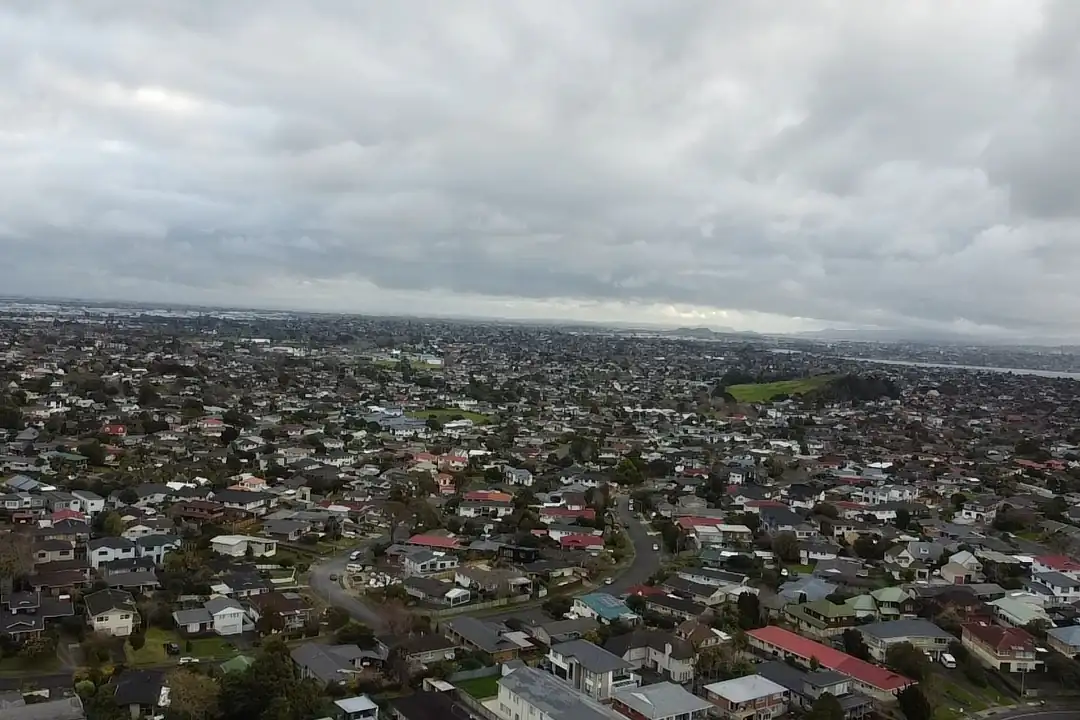

Straight answerHowick began in 1847 as a fencible settlement and grew into one of East Auckland's main suburbs from the 1960s and 1970s, with Pakuranga, Bucklands Beach and Botany around it. Wasp nests here follow the housing: German wasps in the roofs and subfloors of 1960s to 1980s homes and in creek banks, paper wasps in the hedges and eaves of newer estates.
From fencible village to suburb
Retired soldiers and their families settled Howick from 1847 to guard Auckland's eastern approach, and the Howick Historical Village in Pakuranga recreates that settlement. A concrete road to Greenlane in the 1930s made Howick a commuter suburb, and the biggest growth came in the 1960s and 1970s, when most of today's streets filled in.
1960s to 1980s homes
Brick and tile, weatherboard and stucco homes from those decades cover much of Howick, Pakuranga and Bucklands Beach. Loose ridge tiles, gaps at the eaves, and vents in the base of brick walls are common wasp entry points. A steady stream into a brick vent often means a nest under the floor. Wasps in the house.

Botany and the newer estates
Further south, Botany, Dannemora and Flat Bush are mostly newer, with townhouses and young landscaping. Fewer roof gaps, more paper wasp combs in fences, letterboxes and eaves, and ground nests in fresh landscaping and retaining walls. Body corporates handle nests on common areas. Paper wasp combs.
- Brick vents and tiled roofs: German wasp nests
- Creek banks and coastal reserves: ground nests
- Newer estates: combs in fences, eaves and letterboxes
- Townhouse complexes: body corporate common areas
Creeks, bays and reserves
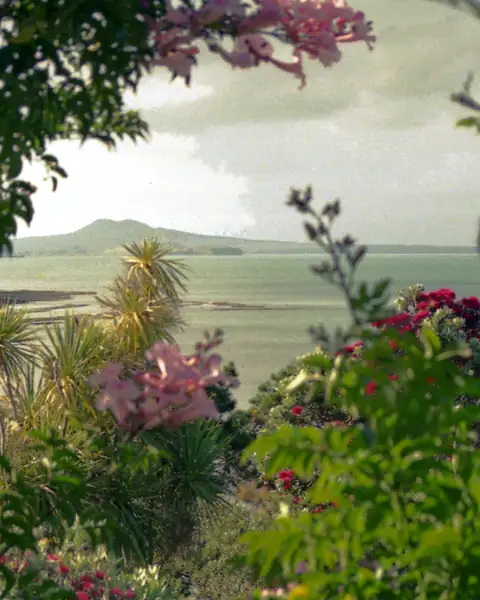
Mangemangeroa Creek, Cockle Bay and the coastal reserves around Bucklands Beach and Eastern Beach give wasps sunny banks and coastal planting. Nests on reserve land go to Auckland Council on 09 301 0101. Homes backing onto creek reserves see more ground nests in their back banks.
- Founded1847 fencible settlement
- Growth1960s and 1970s
- NewerBotany, Flat Bush estates
- CoastCockle Bay, Bucklands Beach
Heritage Howick
All Saints Church, built in 1847, is Auckland's first Anglican parish church and is heritage-listed, and Howick keeps other buildings from its fencible beginnings. Old timber churches, halls and cottages have the gaps and dry roof spaces wasps like. Caretakers of heritage buildings should check eaves and vents each spring and get nests treated without anyone cutting into old fabric.
Cockle Bay and the pa site
Cockle Bay, east of Howick Beach, sits near the old Tuwakamana pa above the bay. Coastal reserves, pohutukawa and grassy headlands here give paper wasps and ground-nesting German wasps plenty of room. Walkers and picnickers meet them in late summer. Report nests on reserves to the council on 09 301 0101.
Costs in East Auckland
Most nests here fall in the published Auckland range of about $120 to $350 each. Combs in fences and eaves are quick. Nests under brick-veneer floors or in high roofs take longer and cost more, often $200 to $350. That is a guide; the price you pay is the one written down after the visit. Cost guide.
Booking in Howick
Tell us the suburb and street, where the wasps go in, and whether it is a house or a townhouse in a complex. A pest controller comes to you and quotes first. Quote page.
Every other suburb is covered as well. Go back to Waspari for prices, timing and the booking steps.
Questions people ask
Do you cover Botany, Flat Bush and Beachlands?
Yes, all of East Auckland including the Pohutukawa Coast. Further rural areas may carry a travel charge, shown in the written quote.
Wasps keep going into a vent at the bottom of my brick wall. What is it?
Usually a German wasp nest under the floor. Don't block the vent. Keep people away and have it treated.
Sources we checked
- Howick (Wikipedia)
- Life cycle of a wasp (Manaaki Whenua Landcare Research)
- Asian paper wasp (Manaaki Whenua Landcare Research)
- How to control pest animals (Auckland Council)
Last reviewed 2026-11-05.