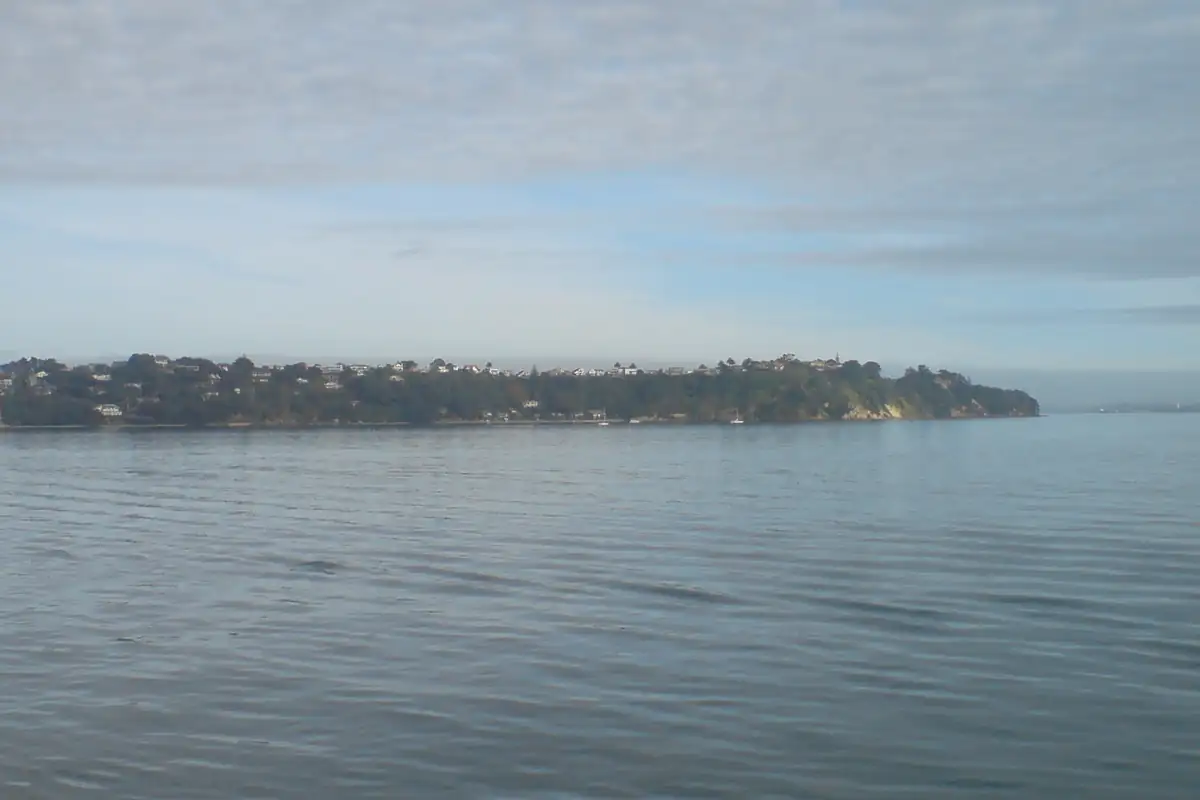

Straight answerSt Heliers, Kohimarama, Mission Bay and Glendowie line the Tamaki Drive coast. Their pohutukawa, flax and clipped hedges suit paper wasps, and Kohimarama is one of the two places the Asian paper wasp was first recorded in New Zealand, in 1979. German wasps nest in the cliff-top reserves and in the roofs and subfloors of the 1930s to 1960s homes.
The Kohimarama record
Published records put the first Asian paper wasp finds in New Zealand at Kohimarama and on the Whangaparaoa Peninsula in 1979. From the mid-1980s it spread through inner and western Auckland. Nearly fifty years on, open combs in hedges, under eaves and in coastal planting are still the most common wasp find in these bays. Paper wasps.
Homes from the Tamaki Drive era
Early attempts to subdivide St Heliers in the 1880s failed, and it became a commuter suburb after Tamaki Drive opened in 1932. Many homes date from the 1930s to the 1960s, with later rebuilds. Tile and iron roofs, stucco and weatherboard walls, and subfloors with vents give German wasps entry points. Wasps at one gap in a roof or wall mean a nest inside. Wall cavity nests.
Cliffs, crater parks and reserves
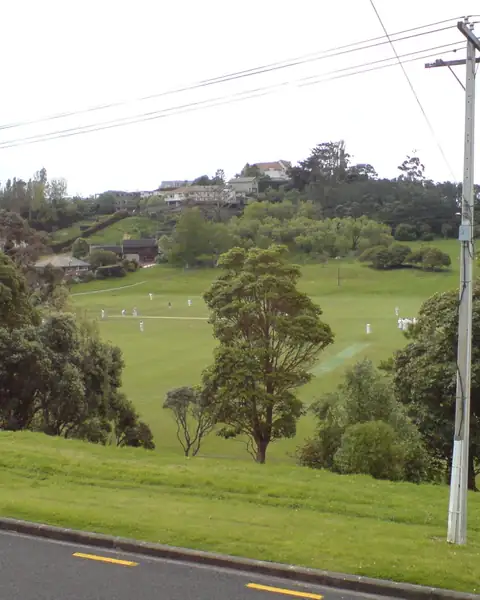
Achilles Point looks out over the gulf, Glover Park sits in an old volcanic crater, and Dingle Dell keeps native bush that became a reserve in 1930. Cliff-top grass and reserve banks are dry and sunny, which suits ground nests. Nests on reserves go to Auckland Council on 09 301 0101. Keep children and dogs off any busy hole in a bank.

- Pohutukawa and flax along the waterfront: paper wasp combs
- Cliff-top grass and crater park banks: ground nests
- 1930s to 1960s homes: roof and subfloor gaps
- Hedged front gardens: combs found while trimming
- First recordAsian paper wasp, Kohimarama 1979
- RoadTamaki Drive, 1932
- ParksGlover Park, Dingle Dell
- CoastAchilles Point
Beachfront summer
The eastern beaches are busy all summer, and picnics and fish and chips draw foragers to the reserves from February. That is wasps looking for protein and sugar, not a nest on the beach. If they keep coming to your own garden table, look for the nest nearby. Finding the nest.
Waterfront cafes and the village
St Heliers village and the Mission Bay strip have cafes, ice cream and fish and chip shops facing the beach. Outdoor seating draws wasps on hot afternoons in late summer. For a business, the fix is finding the nest feeding them: often in a courtyard hedge, a pohutukawa or a roof gap nearby. Treatment can be booked before opening.
Clifftop homes
Homes along the cliffs above the bays, out to Achilles Point, often have steep gardens, retaining walls and decks over a drop. Retaining walls with gaps, and the dry soil under decks, suit ground nests. Access down a steep garden takes care, so tell us about steps and slopes when you book.
Prices in the eastern bays
Published Auckland prices for one nest run about $120 to $350. Hedge and eave combs are at the low end. Roof voids, two-storey homes and steep cliff-top sections push it up. All of these are a guide; the pest controller writes the actual figure down before any work. Cost guide.
Booking in St Heliers
Tell us the bay and street, where the nest is and whether it is an open comb or a covered nest. A pest controller comes to you and quotes in writing first. Request a quote.
Every other suburb is covered as well. Go back to wasp nest removal Auckland for prices, timing and the booking steps.
Questions people ask
Were Asian paper wasps really first found in Kohimarama?
Published records give 1979 finds at Kohimarama and Whangaparaoa as the first in New Zealand.
Do you cover Glendowie, Orakei and Meadowbank?
Yes, all of the eastern bays and the central suburbs.
Who handles a wasp nest in Glover Park or Dingle Dell?
Auckland Council treats wasps on its own land. Report it on 09 301 0101.
Sources we checked
- St Heliers (Wikipedia)
- Polistes chinensis (Wikipedia)
- Asian paper wasp (Manaaki Whenua Landcare Research)
- How to control pest animals (Auckland Council)
- Life cycle of a wasp (Manaaki Whenua Landcare Research)
Last reviewed 2026-11-05.