
Straight answerRemuera and Epsom are known for large old houses on big, leafy sections. Mature trees, long hedges, tennis courts, garages and garden sheds give both German and paper wasps plenty of room. Expect paper wasp combs in hedges and topiary, German wasp nests in banks, under outbuildings and in big roof spaces, and the occasional nest in an old tree.
Big gardens, more nest sites
Remuera's sections were historically much larger than elsewhere in Auckland, which drew wealthier buyers, and the suburb keeps its leafy, tree-lined character. A big garden means more of everything wasps like: dry banks, hollow trees, compost bays, pool sheds and long box or griselinia hedges. Two or three nests on one property is common by late summer. Trees and hedges.
Large old houses
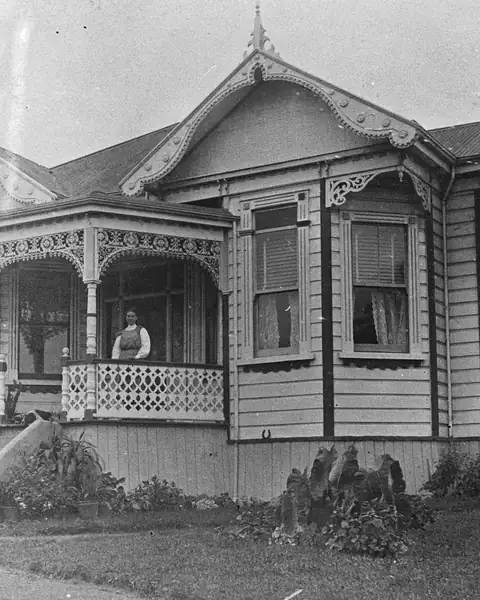
Grand homes went up from the late 1800s into the early 1900s, and many Edwardian and mid-century houses remain. They have large, high roof spaces and complex rooflines with many valleys and gables. A German wasp nest can sit far from its entrance in a roof like that. Height often means ladders or access through a ceiling hatch. Roof nests.

- Long clipped hedges: paper wasp combs found while trimming
- Mature trees and old stumps: German wasp nests
- Pool houses, garages and garden sheds: sheltered nests
- High, complex rooflines: roof void nests
Volcanic cones and Hobson Bay
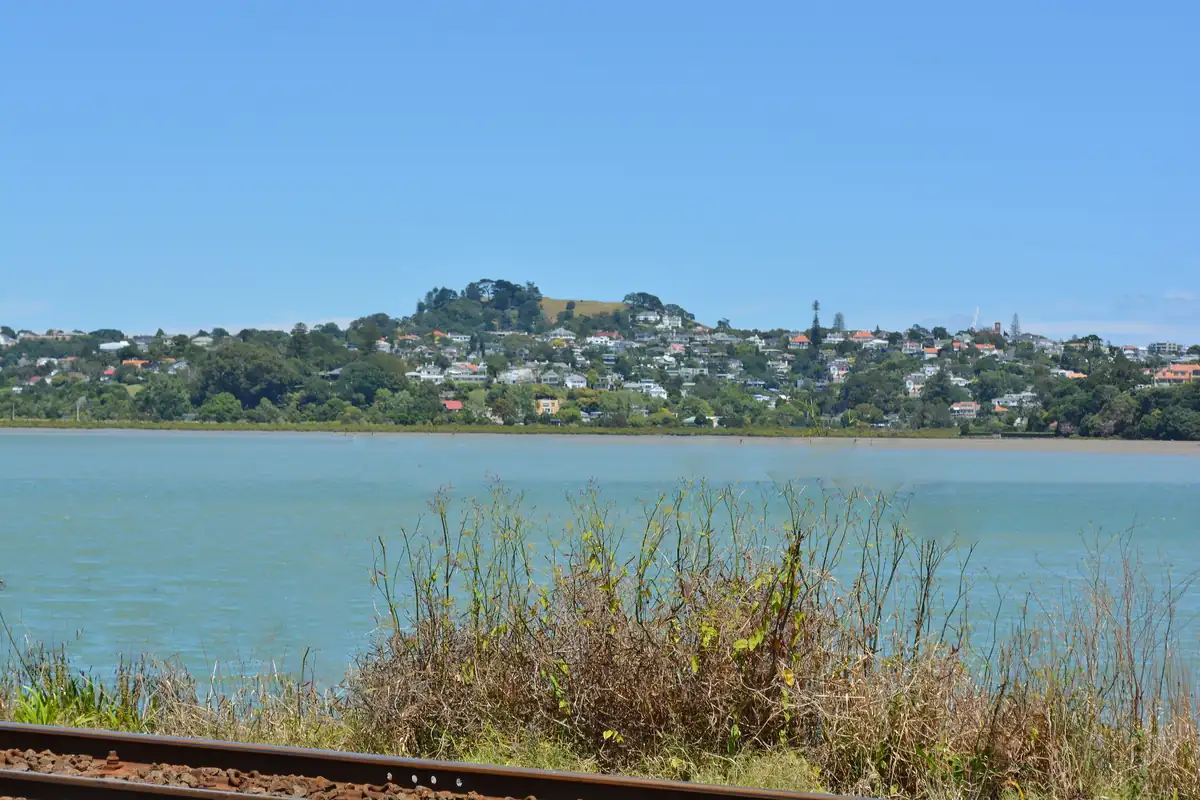
Ohinerau / Mount Hobson, a volcanic cone of about 143 m, rises in the middle of the suburb, and Remuera runs down to Hobson Bay and the Orakei Basin. Waiatarua Reserve fills a natural basin to the south. Grassy cone slopes and reserve banks suit ground nests. Nests on reserve land go to Auckland Council on 09 301 0101.
- SectionsLarger than most of Auckland
- HousesEdwardian and mid-century
- LandmarksMt Hobson, Hobson Bay
- Common callHedge combs, roof nests
Gardeners and hedge trimming
Many larger Remuera gardens are looked after by a gardener. Paper wasp combs hidden in hedges are the commonest cause of stings for anyone trimming in summer. Ask your gardener to look along a hedge before cutting, and to back off and mark any comb they find. Paper wasp nests.
Schools and sports grounds
Remuera and Epsom have many schools, with playing fields, banks, hedges and old trees. Sports fields edged with dry banks are classic ground-nest sites, and children run straight over them. Schools can book an out-of-hours visit and close the area until the pest controller says it is clear. Parents of allergic children should tell the school.
Big trees and protected trees
Old oaks, puriri, pohutukawa and exotic specimen trees are part of Remuera's character, and some are protected. A German wasp nest in a hollow trunk or among roots is treated at its entrance; nobody needs to cut into the tree. If a protected tree needs work after the nest is dead, check the rules with the council before anything is cut.
Prices for Remuera and Epsom
For one nest, published Auckland prices run from about $120 to $350. A comb in a hedge is near the low end. A nest high in a large roof or several nests across a big garden cost more, usually quoted together. These are guide figures; the written quote after the walk-round is the price. Cost guide.
Booking in Remuera
Tell us the street, where the nests are and whether a gardener or property manager should be contacted about access. Gate codes and dogs on the property help the pest controller plan. They come to you and quote on the spot. Quote page.
Every other suburb is covered as well. Go back to Waspari for prices, timing and the booking steps.
Questions people ask
We have several nests in a big garden. Is that one visit?
Usually yes. Tell us how many you have seen and where, and they are quoted as one job.
Do you cover Epsom, Greenlane and Orakei?
Yes, and all of the central and eastern suburbs.
Sources we checked
- Remuera (Wikipedia)
- Asian paper wasp (Manaaki Whenua Landcare Research)
- Life cycle of a wasp (Manaaki Whenua Landcare Research)
- How to control pest animals (Auckland Council)
Last reviewed 2026-11-05.