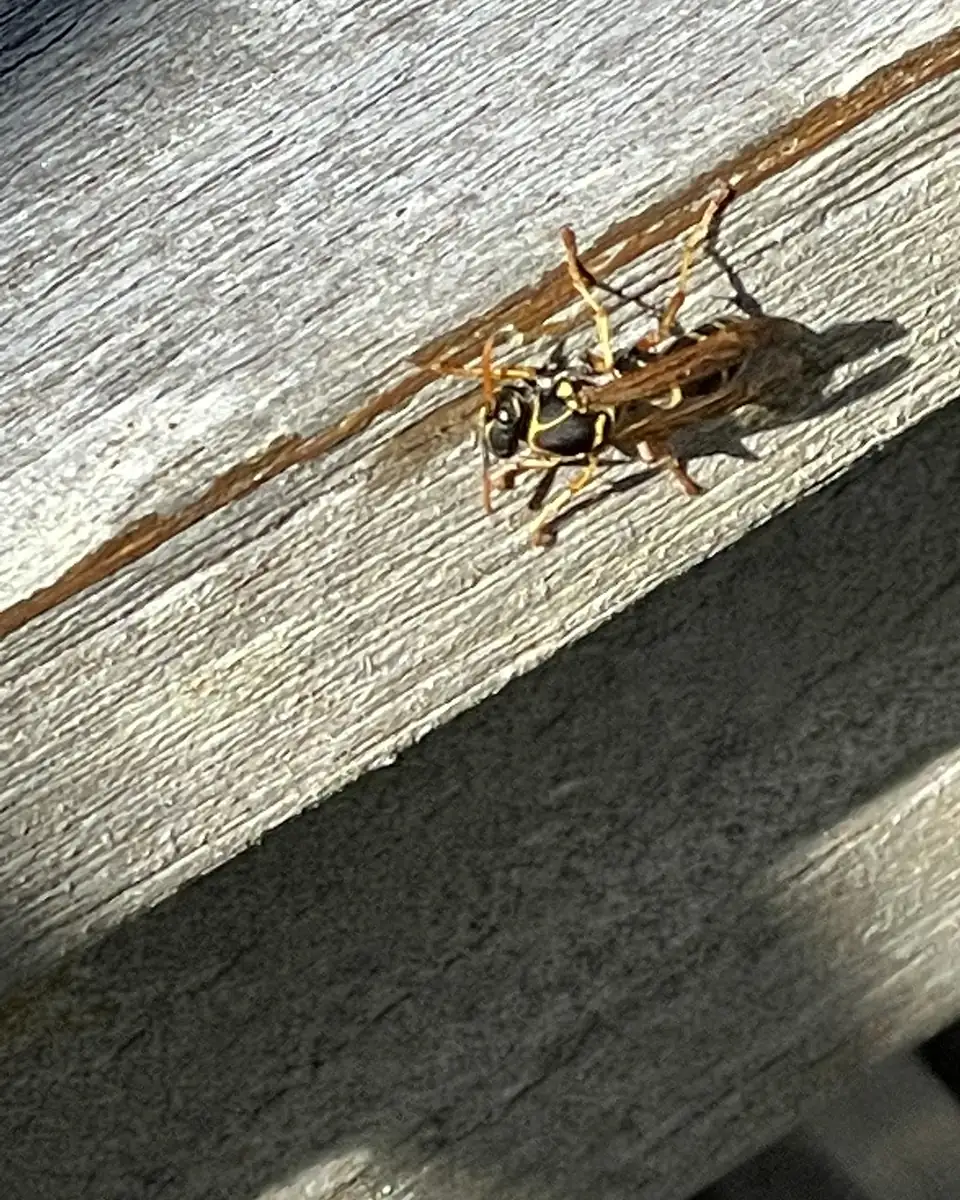
Straight answerTenants should tell the landlord or property manager about a wasp nest straight away, in writing, and keep away from it. Tenancy Services says landlords must provide a property free of pests at the start of a tenancy and maintain it. For pests that turn up later through no one's fault, it says responsibility is unclear and costs are often shared. Most landlords arrange and pay for wasp nests.
What does Tenancy Services say?
Tenancy Services' page on pests sets out the general rules. The property should be free of pests when the tenancy begins, landlords should maintain it to help stop infestations, and tenants should keep it clean and tidy and report pests straight away. Where pests weren't there at the start and nobody caused them, it says it's unclear who is responsible. Wasps are not mentioned by name, and this is general information, not legal advice.
Tenant: what to do first
Keep everyone, including pets, away from the nest. Email or message the landlord or property manager with where the nest is, a photo taken from a safe distance, and whether anyone in the house is allergic to stings. Don't try to remove it yourself: a sting is a real risk, and damage to cladding or a ceiling can become an argument later. If someone reacts badly to a sting, call 111.
- Stay back and keep the area clear.
- Tell the landlord or property manager in writing, with a photo.
- Agree on access for the visit: tenant home, key, or outside only.
- Keep the written quote and invoice details on file.
Landlord and property manager: booking a visit
Tell us the address, the tenant's name and number, where the nest is, and who approves the quote. We arrange for a pest controller to contact the tenant about access. The quote goes to whoever is paying before any work starts. Nests in roof spaces and wall cavities often need the tenant home to open the ceiling hatch.
Why rentals get wasp nests
Older rentals often have the gaps wasps look for: missing soffit boards, gaps in weatherboards, open vents and damaged scribers. Long grass, unused sheds and overgrown hedges add nest sites. Fixing gaps is also part of the healthy homes standards on draughts, which Tenancy Services points to. A check of the eaves and hedges each spring finds starter nests while they are small.
What it costs
The usual published Auckland range for one nest is about $120 to $350. A comb in the hedge is at the low end. A nest inside a wall or roof is at the top, often $200 to $350. The written quote states the price before the work, which makes approval simple. These are a guide only. See the cost guide.
Prices, timing and how a visit is booked all start from Waspari.
Questions people ask
Can a tenant arrange wasp nest removal and charge the landlord?
Talk to the landlord first. Unless it is urgent and agreed, a tenant who books work without approval may end up paying. Tenancy Services says to tell the landlord straight away, and the landlord or property manager usually arranges it.
Is a wasp nest an urgent repair?
A busy nest by a door, path or bedroom window is a safety issue, especially with children or someone allergic in the house. Tell the landlord that in writing so it is dealt with quickly.
Sources we checked
- Pests and infestations (Tenancy Services)
- Life cycle of a wasp (Manaaki Whenua Landcare Research)
- How to control pest animals (Auckland Council)
Last reviewed 2026-11-05.