Straight answerMove the child away from the wasps first, then check for more stings and wasps in clothing. Wash the sting and hold a wrapped cold pack on it. Most children are sore and upset for a while, then fine. Call 111 for any trouble breathing, swelling of the lips, tongue or face, a rash spreading fast, floppiness or collapse, or a sting inside the mouth with swelling.
First aid, step by step
Stay calm, because children read your face. Walk them well away from the nest, at least 10 metres, so more wasps don't follow. A wasp leaves no sting behind, so there is nothing to pull out. A bee does leave one: scrape it sideways with a fingernail or card. Then clean and cool the spot.
- Move away from the wasps and check hair, collars and sleeves for more.
- Wash the sting with soap and cold water.
- Hold a cold pack wrapped in a cloth on it for about 10 to 15 minutes.
- Raise a stung arm or leg on a cushion.
- Watch the child closely for the next hour for any of the 111 signs.
Stings in or near the mouth
These are the ones to take seriously. Wasps crawl into cans, bottles and juice cups, and a sting inside the mouth or throat can swell and block the airway. KidsHealth and St John say to get medical help straight away and call 111 if there is any swelling or trouble breathing. While you wait, an older child can suck ice or sip cold water.
When to see a doctor
See a doctor, or call Healthline on 0800 611 116, if the sting is on the face, eye or neck, if swelling keeps spreading over the next day or two, if pain is not settling, or if the child was stung many times. Days later, redness that spreads, heat, pus or a fever can mean infection. For any medicine for children, ask a pharmacist or doctor about the right product. More detail: sting swelling.
Why children get stung
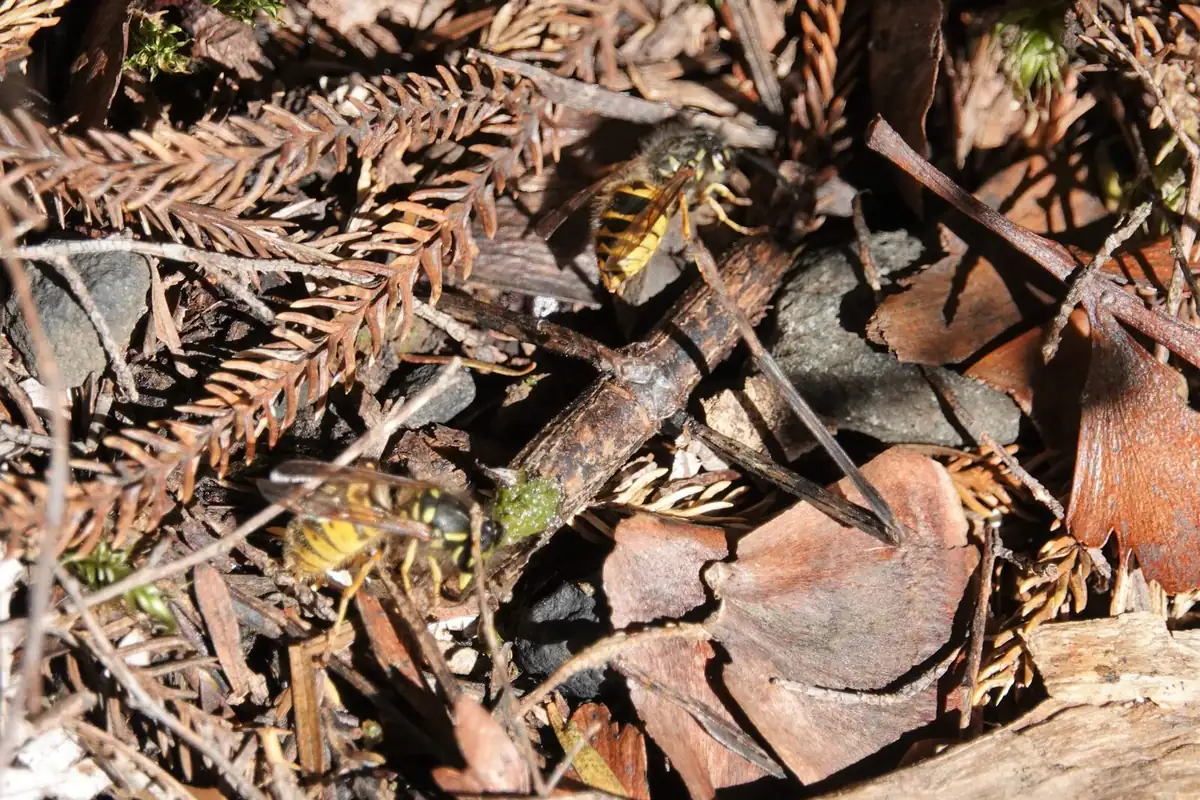
Children play where nests are: on lawns over ground nests, in hedges, under decks and on trampolines near banks. They run barefoot, drink from open cans, and swat at wasps. Most stings come from treading on a wasp or bumping a nest, not from wasps attacking for no reason.
Keeping kids away from wasps this summer
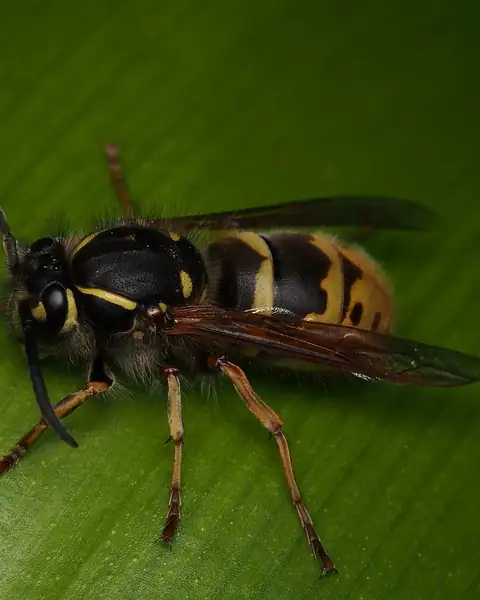
Walk the section in spring and early summer and look for wasps flying in and out of one spot. Mark any nest and keep children well back. Give children cups with lids or straws outdoors. Shoes on the lawn. Cover food and bins. If there is a nest where they play, have it treated: ground nests and paper wasp combs are the usual culprits.
At school or daycare
Tell the school or early learning centre if your child is allergic, and make sure they have the action plan and autoinjector. Schools are responsible for nests on their grounds and can arrange treatment out of hours. Wasp control for schools explains how that works.
General information only, not medical advice. If you are worried, call Healthline on 0800 611 116 (free, any time) or your doctor. In an emergency, 111.
Got a nest at your own place rather than a question? See Waspari for what a visit involves and what it tends to cost.
Questions people ask
Is a wasp sting dangerous for a toddler?
Most stings cause pain and swelling only. Small children can't always tell you how they feel, so watch them closely for an hour. Breathing trouble, swelling of the face, a spreading rash or floppiness means 111.
My child was stung several times. What should I do?
Move them away from the wasps, give first aid, and get medical advice even if they seem fine. Many stings at once can cause a stronger reaction. Call 111 for any breathing or swelling signs.
Should I keep my child off the lawn all summer?
No. Find out whether there is a nest. If wasps keep flying in and out of one spot, keep children away from that area and get it treated. Shoes and covered drinks do the rest.
Sources we checked
- First aid for bee stings (KidsHealth NZ)
- Bites and stings first aid (St John)
- Bee and wasp stings (Health New Zealand)
- Insect bites and stings (Healthify He Puna Waiora)
- Healthline 0800 611 116 (Healthpoint)
- Wasp FAQ (Manaaki Whenua Landcare Research)
Last reviewed 2026-11-05.