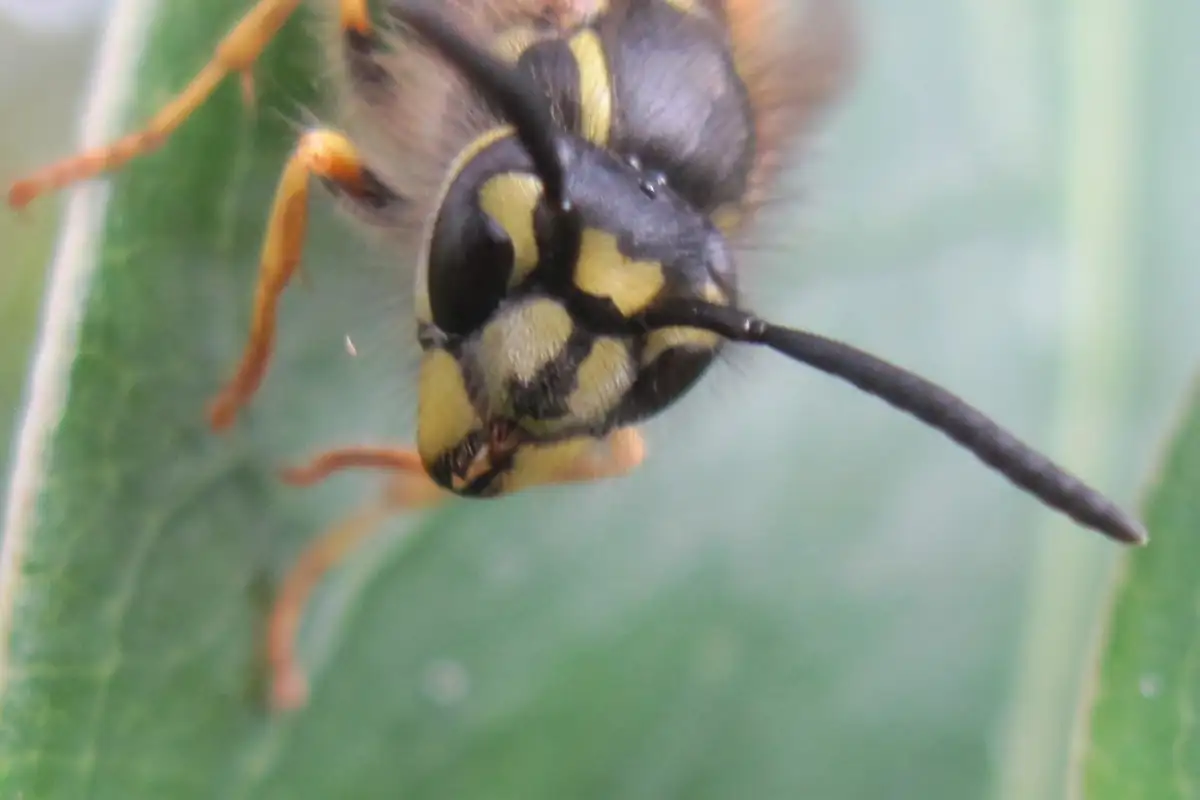
Straight answerA normal wasp sting hurts, goes red and swells where you were stung. An allergic reaction affects the whole body. Swelling of the lips, eyes or tongue, a rash spreading within minutes, wheezing, a tight throat, dizziness or collapse after a sting means call 111 straight away. Anyone who has had a reaction like that should see a doctor about it afterwards.
Normal sting, big local reaction or allergy?
There are three kinds of response. A normal sting is painful and red for a day or two. A large local reaction is swelling that spreads well beyond the sting, for example a whole hand or forearm, over a day or two. An allergic reaction, at its worst anaphylaxis, involves the whole body and can start within minutes. Only the last one is an emergency, but a large local reaction is worth a call to Healthline.
- Normal: sharp pain, a red lump, itch. Settles in a day or two; some swelling can last a week
- Large local: swelling spreading past the joint nearest the sting, peaking after a day or two
- Allergic: symptoms away from the sting, such as hives elsewhere, face swelling, wheeze, vomiting, faintness
How fast does anaphylaxis start?
Usually fast. Signs often begin within minutes of the sting, and St John notes that some allergic people can collapse within 3 to 4 minutes. That is why the advice is to call 111 at the first sign, not to wait and see. Lie the person flat, or let them sit with legs out if breathing is hard. Don't let them stand or walk.
Who is at risk?
Landcare Research estimates that about 2 to 3% of people may be at risk of a whole-body reaction to insect stings, and that about 10% of people stung more than once become allergic to wasp venom. ASCIA says stinging insects are one of the most common causes of anaphylaxis in Australia and New Zealand. Being stung many times at once also raises the risk, even without a known allergy.
If you already know you are allergic
Carry your prescribed adrenaline autoinjector in wasp season and follow your written anaphylaxis action plan. Tell people you are with where it is. Health New Zealand and Landcare suggest a medical alert bracelet. Stay well away from known nests, and let someone else deal with the garden in late summer. Get any nest near the house treated early, not left until February. Urgent help covers what to do first.
What to ask your doctor
After any whole-body reaction, see your GP. Ask whether you should be referred to an allergy specialist, whether you need an adrenaline autoinjector and an action plan, and whether venom immunotherapy suits you. Health New Zealand and Landcare both mention it. It is a course of treatment that can lower the risk of future reactions. Your doctor decides; this page can't.
Cutting the chance of a sting
Most stings happen near nests or when a wasp is squashed by accident. Check drinks before you sip outdoors in late summer, especially cans and bottles. Wear shoes on lawns. Look before you trim hedges, mow banks or reach into shrubs. Cover food and bins. And deal with the nest, not just the wasps: how nest removal works.
General information only, not medical advice. If you are worried, call Healthline on 0800 611 116 (free, any time) or your doctor. In an emergency, 111.
Got a nest at your own place rather than a question? See the Waspari front page for what a visit involves and what it tends to cost.
Questions people ask
Can you become allergic to wasp stings later in life?
Yes. Landcare Research says about 10% of people stung more than once become allergic to wasp venom. A first sting with no problem does not mean the next one will be the same. Any whole-body symptoms after a sting are a reason to see your doctor.
Is a big swollen arm after a sting an allergy?
Large swelling around the sting is usually a large local reaction, not anaphylaxis. Watch for signs away from the sting such as wheeze, face swelling or faintness, which mean 111. For a big local reaction, Healthline (0800 611 116) or your doctor can advise.
Should I take medicine after a sting?
Ask a pharmacist or doctor what suits you. This site doesn't give medicine advice or doses. For a severe reaction, use the prescribed autoinjector and call 111.
Sources we checked
- Bee and wasp stings (Health New Zealand)
- Insect bites and stings (Healthify He Puna Waiora)
- Bites and stings first aid (St John)
- Insect and tick allergy fast facts (ASCIA)
- Wasp sting first aid (Manaaki Whenua Landcare Research)
- Healthline 0800 611 116 (Healthpoint)
Last reviewed 2026-11-05.