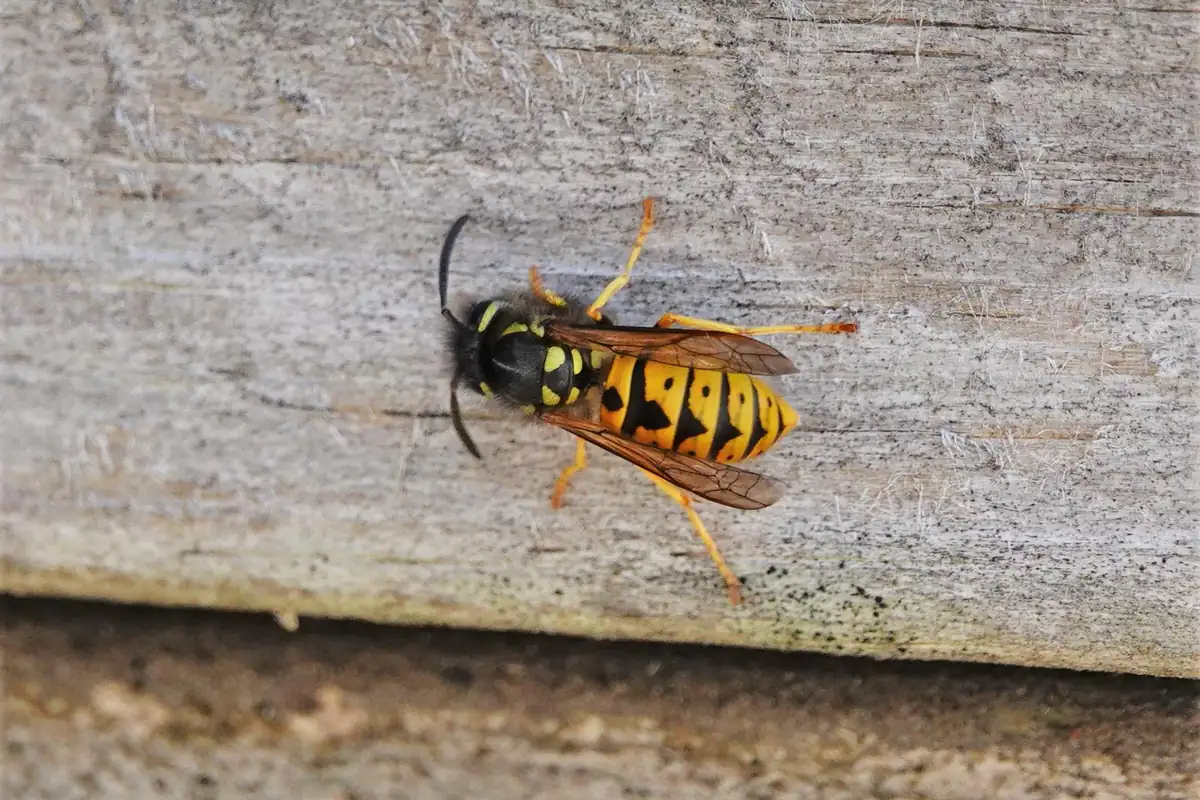
Straight answerThe home remedy that every New Zealand health source agrees on is cold. Wash the sting with soap and cold water, then hold ice wrapped in a cloth on it for 10 to 15 minutes, and raise the limb. Aloe vera, calamine or a cool bath can ease the itch. Vinegar is a fallback in Landcare's advice, not a cure. Breathing trouble or a swelling face means 111, not the kitchen.
What is the best home remedy for a wasp sting?
Cold, applied early. Health New Zealand suggests an ice pack for 15 minutes to relieve local pain and swelling. Healthify and St John say up to 10 minutes at a time, repeated as needed. Landcare Research suggests 15 to 20 minutes. All of them wrap the ice first. A bag of frozen peas in a tea towel works well, and it moulds to a hand or foot.
Cold works because it slows the swelling and numbs the pain while the venom reaction peaks. It does nothing for an allergic reaction. That is why the 111 signs come before anything else on this page.
Treating a wasp sting at home, in order
Most stings in Auckland happen in the garden, on the deck or around food outside. Work through these steps in this order. They come from Health New Zealand, Healthify and St John, and they suit adults and children.
- Walk away first. One sting near a nest is often followed by more. Go inside or well clear.
- Look for a sting left in the skin. If there is one, it was a bee. Flick it out sideways with a card edge.
- Wash it. Soap and cold water, then pat dry. This lowers the chance of infection later.
- Cool it. Ice or frozen peas in a cloth, never straight on skin. 10 to 15 minutes, then a break.
- Lift it. Rest a stung hand or foot higher than the heart for a while.
- Take off rings, watches and tight shoes near the sting before the swelling grows.
- Watch for an hour. Most serious reactions start soon after the sting.
Is there a stinger to take out?
Usually not. Wasps keep their sting and can use it again, so there is nothing left in the skin to remove. If you can see a small dark barb with a sac on the end, a honey bee stung you. Scrape it out sideways with a fingernail or the blunt edge of a knife. Pinching it with fingers or tweezers can push more venom in, so Healthify and the NHS both advise against that.
Does vinegar work on a wasp sting?
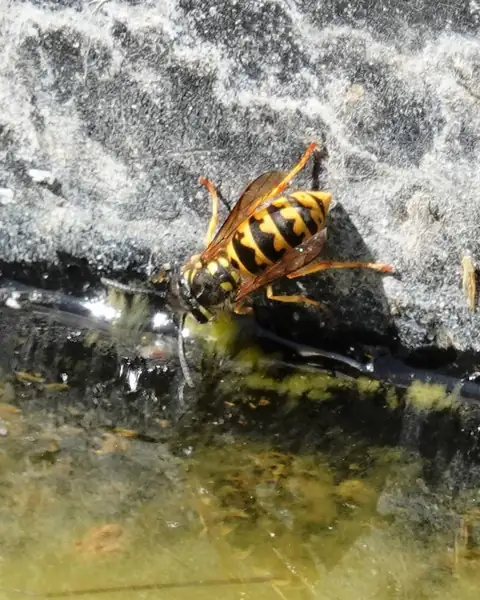
Landcare Research lists vinegar as a household stand-in for wasp stings, for when you have no antihistamine cream in the house. It suggests baking soda for bee stings in the same way. Health New Zealand, Healthify, St John and the NHS don't mention vinegar at all. So it is a fallback some people find soothing, not a proven treatment.
If you try it, dab a little on with a cotton pad over the sting. Don't use it on broken or scratched skin, near the eyes, or on a child who is upset by it. Stop if it stings more. Cold and a wash do the real work.
What about baking soda, honey or toothpaste?
None of these appears in the first aid advice from Health New Zealand, Healthify, St John or the NHS. Baking soda paste is Landcare's fallback for bee stings, not wasp stings. Honey and toothpaste are popular online, but no New Zealand health body we checked recommends them. We'd leave them in the cupboard and reach for the ice instead.
Sticky or gritty pastes have one downside. They can hide the sting site, which makes it harder to see redness spreading over the next few days. A clean sting is easier to watch.
Aloe vera, calamine and a cool bath
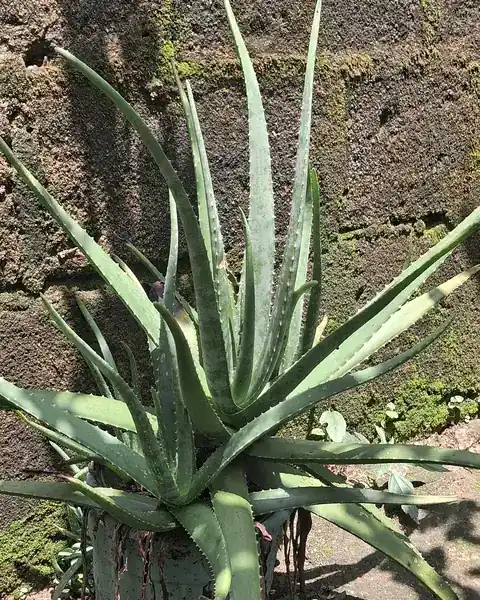
Healthify suggests these for itch and discomfort once the first pain has passed. A cool bath helps with stings on the legs or several stings at once. Calamine lotion and aloe vera gel can calm the itch. Gel from a pharmacy tube is cleaner than a cut leaf. If you use a garden aloe, wash the leaf and stop if the skin reacts.

Itch is the part that lasts. Scratching breaks the skin, and broken skin can get infected. Keep children's nails short, and cover the sting with a light plaster at night if they scratch in their sleep.
Pharmacy items worth keeping at home
Health New Zealand says creams, antihistamines and paracetamol can help with local pain, swelling and itch. It adds that a hydrocortisone cream may help with inflammation. These are the pharmacy side of treating a sting at home. Which one, and how much, depends on age and other medicines. A pharmacist can tell you, so we don't list doses here.
In wasp season it is worth having an ice pack in the freezer and an itch cream in the first aid kit. Anyone with a known sting allergy should have their prescribed adrenaline with them outside, not in a drawer.
Treating a dog's wasp sting at home
For a dog stung once on the paw or face, home treatment is simple. Move the dog away from the wasps, hold a cold pack wrapped in a towel on the spot, and watch closely. Don't put vinegar, creams or human tablets on or in a dog without asking your vet first. Dogs lick things off, and some human medicines are toxic to pets.
A sting in the mouth or throat, several stings, spreading swelling, vomiting, pale gums or weakness need a vet straight away. Our dog sting first aid guide covers the signs.
When home care is not enough
Home treatment covers an ordinary sting. Call Healthline on 0800 611 116 or see a doctor if the sting is on the mouth, throat, eye, face, neck or genitals, the pain isn't controlled by self care, or red streaks lead away from it. The same goes for any new or worsening symptoms. The NHS also lists being stung more than once.
- Swelling still growing after two days, or hot and painful: see a doctor, it may be infected
- Pus, fever or chills after a sting: see a doctor
- A sting near the eye: get it checked
- Not settling after two weeks: Healthify says see your doctor
For the slow-swelling kind, see wasp sting swelling. For the warning signs of allergy, see wasp sting allergy.
Stung in the mouth from a drink
A wasp inside a can or bottle is a classic summer sting. A sting inside the mouth is not one to treat at home and wait out. Landcare suggests sucking ice or rinsing with cold water to slow the swelling while you get medical advice. If the voice goes hoarse, swallowing gets hard or breathing changes, call 111.
Stop the next sting at the source
Several stings in one corner of the garden usually means a nest close by. Watch where the wasps fly on a warm afternoon, keep children and pets away from that spot, and don't poke at it. A ground or wall nest is the one to leave alone. Our do-it-yourself nest guide says which nests are fair game and which are not. For the rest, a local technician visits with a written quote first: how nest removal works.
General information from New Zealand health sources, not medical advice. Unsure? Healthline is free on 0800 611 116, day or night. Emergency: 111.
Got a nest at your own place rather than a question? See help with a wasp nest anywhere in Auckland for what a visit involves and what it tends to cost.
Questions people ask
How do you treat a wasp sting at home?
Get away from the wasps, wash the sting with soap and cold water, then hold ice wrapped in a cloth on it for 10 to 15 minutes. Raise the arm or leg and take off rings or a watch nearby. Watch for an hour for breathing trouble or a swelling face, which mean 111.
Is vinegar or baking soda better for a wasp sting?
Landcare Research suggests vinegar for wasp stings and baking soda for bee stings, but only as household fallbacks when there is no antihistamine cream. NZ health agencies don't list either. Cold and a wash are the steps every source agrees on.
Does honey help a wasp sting?
No New Zealand health source we checked recommends honey for a wasp sting. It is sticky, it can attract more wasps outside, and it hides the sting site. Ice wrapped in a cloth is the better first step.
How long should a wasp sting hurt?
Health New Zealand says most stings itch or hurt for 1 or 2 days, and swelling may last up to a week. Pain that home care doesn't control, or a sting that gets hotter and redder after the second day, is a reason to call Healthline or see a doctor.
Sources we checked
- Bee and wasp stings (Health New Zealand)
- Insect bites and stings (Healthify He Puna Waiora)
- Bites and stings first aid (St John)
- Wasp sting first aid (Manaaki Whenua Landcare Research)
- Insect bites and stings (NHS)
- Healthline 0800 611 116 (Healthpoint)
Last reviewed 2026-11-13.