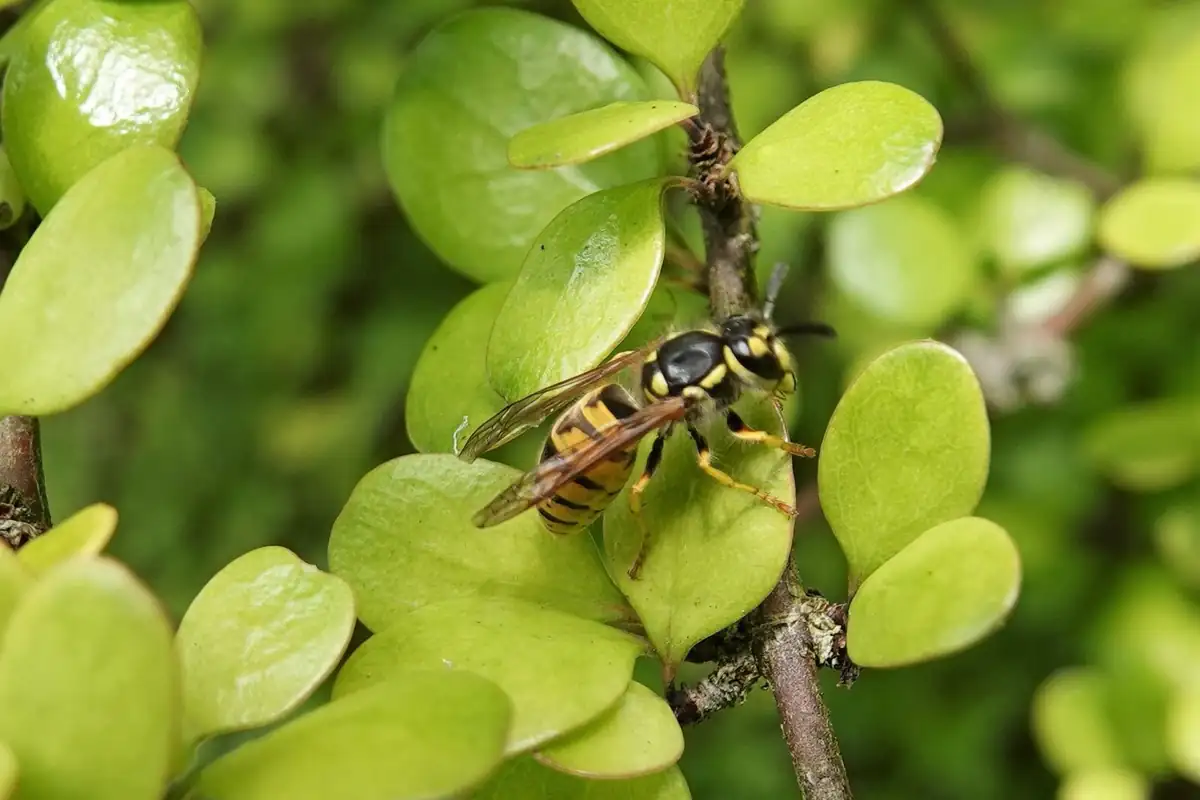
Straight answerNo natural remedy reliably gets rid of a German wasp nest. Good habits keep wasps away from where you eat: covered food and drinks, closed bins, picked-up fruit. Peppermint oil, fake nests and other deterrents are popular, but we found no New Zealand research showing they cut wasp numbers. For a nest, the safe fix is still treatment of the nest itself.
Habits that do help
Removing what wasps come for is the most reliable natural step. Wasps hunt protein and sugar, so cover food, use lidded cups, pick up fallen fruit, keep bins shut and feed pets inside. Clean the barbecue after use. These steps won't remove a nest, but they make your outdoor area less worth a visit.
Peppermint and essential oils
Peppermint and clove oils are often said to repel wasps. Some overseas lab work suggests certain essential oils repel wasps at close range, but we found no New Zealand field research showing they keep wasps off a deck or reduce a nest. At best they may make a small area less attractive for a while.
Fake wasp nests
Hanging a fake paper nest is meant to make wasps think the territory is taken. It is a popular idea, but we found no reliable evidence that it works against German or common wasps. Paper wasps often build close to each other anyway. It does no harm, but don't rely on it.
Soapy water
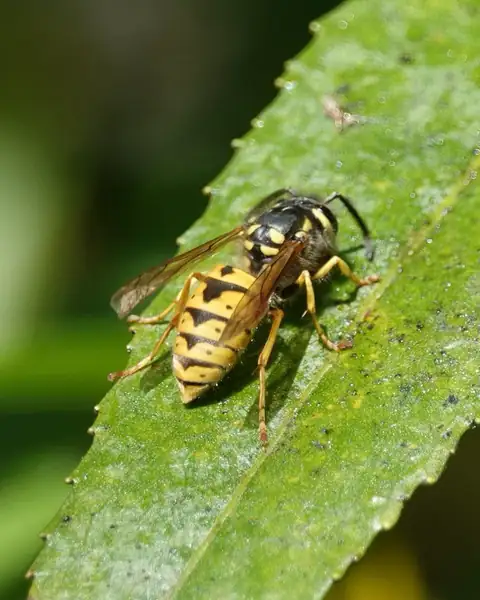
Soapy water can kill a wasp it soaks, and some people use it on small, open paper wasp combs. On a covered German wasp nest it does nothing to the comb inside and stirs the colony up. Throwing water at a nest also puts you right beside it. Not a method we suggest.
Homemade traps and sugar baits
Bottle traps with sugar, juice or beer catch wasps, but Landcare Research found trapping didn't reduce wasp numbers, even next to nests. Professor Jacqueline Beggs of the University of Auckland warns against homemade sugary mixtures because they can harm bees. More in traps and baits.
The dangerous ones: never
Petrol, kerosene, fire and boiling water still get passed around as home remedies. They are dangerous to you, the house and the soil, and they rarely reach the comb. Burning a nest near a house or in dry grass can start a fire. Blocking the entrance is also a poor idea; it can send wasps looking for another way out.
- Petrol or kerosene down the hole: fire risk, soil contamination, often fails
- Setting fire to a nest: fire risk, angry wasps
- Boiling water: scald risk, rarely reaches the comb
- Blocking the entrance: wasps look for another way out
What to do instead
If there is a nest, deal with the nest. For a single easy nest away from the house, DOC describes a dust method at night; read our DIY guide and its limits. For anything in a wall, roof, up high, or near someone allergic, call a pest controller. Prices run about $120 to $350 per nest as a guide.
Got a nest at your own place rather than a question? See help with a wasp nest anywhere in Auckland for what a visit involves and what it tends to cost.
Questions people ask
Does peppermint oil keep wasps away?
Possibly at close range for a short time. We found no New Zealand evidence that it reduces wasp numbers or gets rid of a nest.
Do fake wasp nests work?
We found no reliable evidence that they deter German or common wasps. They do no harm, but don't rely on one.
What smell do wasps hate?
Lots of smells are claimed, from peppermint to cucumber. None is proven to clear wasps from a garden. Removing food and treating the nest are what work.
Sources we checked
- Wasp control (Manaaki Whenua Landcare Research)
- Wasp numbers explode after long hot summer (2025) (University of Auckland)
- Wasps (Department of Conservation)
- Wasp FAQ (Manaaki Whenua Landcare Research)
Last reviewed 2026-11-05.