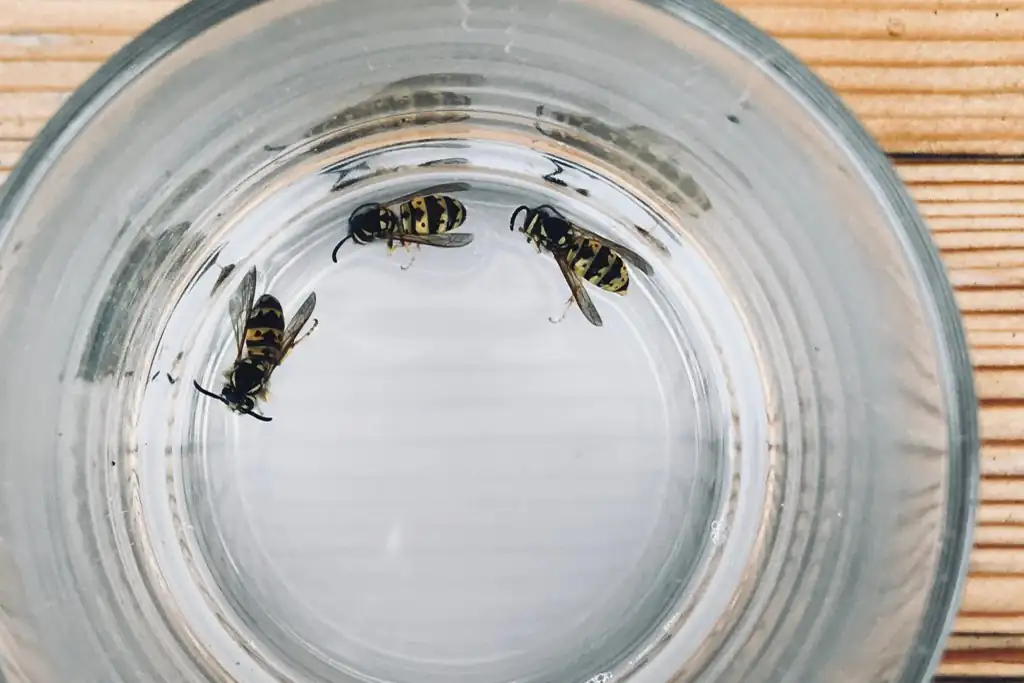

Straight answerWasp traps catch wasps, but they don't reduce wasp numbers. A Landcare Research study in Nelson found trapping made no difference, even right beside individual nests, and traps also catch native insects. To get rid of wasps around your home, deal with the nest. Vespex bait kills nests, but only registered users can buy it.
Why traps don't fix a wasp problem
One German wasp nest raises between 11,000 and 13,000 workers in a single season, and the queen keeps laying. A trap that catches a few hundred wasps barely dents that, and the nest replaces them. Landcare Research's trials found no drop in numbers from trapping. A trap can make an outdoor table more bearable for an afternoon, but that is all it does.
How Vespex bait works
Vespex is a protein bait containing a small amount of the insecticide fipronil, developed with the Department of Conservation. It goes in raised bait stations. Foraging German and common wasps carry it back to the nest and the colony dies. It doesn't attract bees, and DOC pilots cut wasp activity by more than 95%.
Who can buy Vespex, and when it works
Only New Zealand residents registered with the maker as approved users can buy it, after watching a training video and passing an online quiz. Helpers must be supervised by an approved user. It works only when wasps are hungry for protein, roughly mid-January to mid-April, and it must never go into a nest entrance.
- German and common wasps only. Paper wasps hunt live caterpillars and ignore it
- Spring baiting of queens largely fails
- Signs must go up at public access points while bait is out
- On DOC land you need DOC permission first
What about homemade traps and sugar baits?
Sugary homemade traps mainly catch the wrong insects. The University of Auckland's Professor Jacqueline Beggs warns against homemade sugary mixtures because they can harm bees. They also catch native insects and honey bees along with the wasps, and like any trap they do nothing about the nest the wasps are coming from, which keeps replacing every wasp you catch.

What is the best bait for a wasp trap?
It depends on the month. In New Zealand trials, canned sardine cat food was the bait German and common wasps carried off in the greatest amounts, and the share of wasps taking it peaked in February and March, when nests are feeding the most grubs. A sugar solution can catch more in spring and autumn, or after a wet week, but it also catches far more honey bees.
Fresh fish and meat drew the biggest crowds of wasps in the Canterbury trial, but the wasps collected more sardine cat food, so it was rated the best protein bait overall. Of the sweet baits, a 30% sugar solution beat honey, jam, gels and dry sugar. None of this changes the main finding above. A better bait fills the trap faster. It still doesn't empty the nest.
| Bait | When wasps take it best | What else it catches | Our take |
|---|---|---|---|
| Sardine cat food or fish | Mid to late summer, peak February and March | Flies. Fewer bees than sweet baits | The pick if you trap at all |
| Fresh meat | Summer | Flies | Draws wasps but was collected less than sardine cat food |
| Sugar water (about 30%) | Spring, autumn and after rain | Honey bees and native insects | Avoid near hives and flowering gardens |
| Honey, jam, gels, dry sugar | Less than sugar water in trials | Honey bees | Skip it |
Protein or sugar: why the season matters
Wasps want different food at different times. The grubs need protein, so workers hunt meat and insects hardest in mid to late summer, which is when protein baits work best. In the trials, sugar baits did better in spring and autumn. The more rain in the previous week, the better sugar did, probably because rain washes natural sugar such as honeydew off plants. German wasps took sugar more readily than common wasps.
More on the two menus in what wasps eat, and on the timing in wasp season in Auckland.
Keeping bees out of a wasp trap
Use a protein bait, not a sweet one. In the sugar trials, traps baited with sugar water caught proportionally more honey bees and other non-target insects, and fewer wasps, than traps baited with sardine cat food. Skip honey and jam altogether. Bee repellents are no help either. All five that were tested also repelled the wasps.
Keep any trap well away from hives. If wasps are already robbing a hive, a trap won't save it. See wasps and beehives, and bees vs wasps if you are not sure which you are catching.
What bait catches hornets?
In New Zealand, a hornet is a biosecurity report, not a bait question. Hornets are not established here. Yellow-legged hornets found on the North Shore in 2025 are the target of an official eradication that uses searching, trapping and nest destruction, and DOC reported no new hornets or nests between early April and mid-2026. Monitoring continues, so a hornet in your trap matters.
A yellow-legged hornet is 2 to 3 centimetres long, mostly dark, with one wide yellow-orange band near the tail. If one turns up in your wasp trap, keep it, photograph it and report it to MPI on 0800 80 99 66 or at report.mpi.govt.nz. How to tell a hornet from a wasp.
Where to hang a trap, if you use one
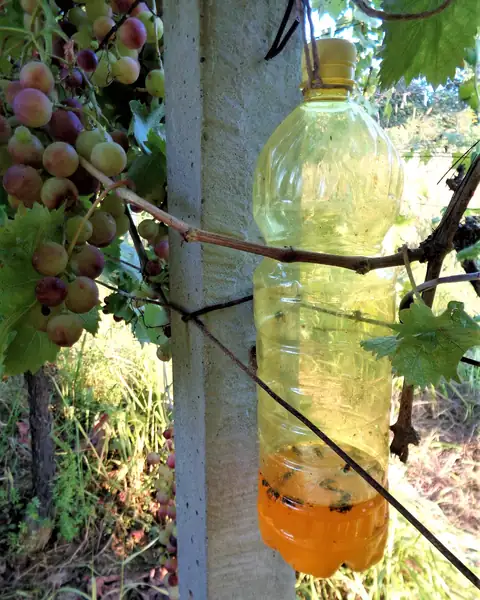
Away from where people sit, eat or play. A baited trap pulls wasps toward it, so a trap beside the table brings wasps to the table. Hang it at the edge of the area, out of reach of children and pets, and empty it often. Landcare Research's attractants also drew native wasps, flies, moths, weta and beetles, so expect by-catch.
The fix that works: find the nest
Wasps usually forage close to home, so lots of wasps in one spot means a nest nearby. Watch where they fly on a warm afternoon and you will often find the entrance in a bank, a hedge or the house. Then have it treated. How wasp nest removal works and what it costs.
Got a nest at your own place rather than a question? See help with a wasp nest anywhere in Auckland for what a visit involves and what it tends to cost.
Questions people ask
Do wasp traps attract more wasps?
A trap is baited to lure wasps, so it makes sense to keep any trap well away from where you sit. More importantly, Landcare Research found trapping didn't reduce wasp numbers, even near nests. Finding and treating the nest is what makes the difference.
Is cat food or sugar water better wasp bait?
For most of summer, cat food. In New Zealand trials, sardine cat food was the protein bait wasps collected most, with a peak in February and March. Sugar water caught more in some places in spring, autumn and after rain, but it also caught more honey bees.
What should I do if a hornet is in my wasp trap?
Keep it, take a photo and report it to MPI on 0800 80 99 66 or at report.mpi.govt.nz. Hornets are not established in New Zealand, and every find helps the eradication on the North Shore.
Can I buy Vespex at a hardware store?
No. Vespex is sold only to New Zealand residents who register with the maker as approved users. Registration means a training video and an online quiz, plus a fee. The bait is used in special raised stations, never poured into a nest.
Sources we checked
- Wasp control (Manaaki Whenua Landcare Research)
- Spurr 1995, Protein bait preferences of wasps at Mt Thomas, Canterbury (New Zealand Journal of Zoology)
- Spurr 1996, Carbohydrate bait preferences of wasps in New Zealand (New Zealand Journal of Zoology)
- Vespex FAQ (Merchento)
- Wasp control (Department of Conservation)
- Yellow-legged hornet (Department of Conservation)
- Wasp numbers explode after long hot summer (2025) (University of Auckland)
- Wasp FAQ (Manaaki Whenua Landcare Research)
Last reviewed 2026-11-20.